
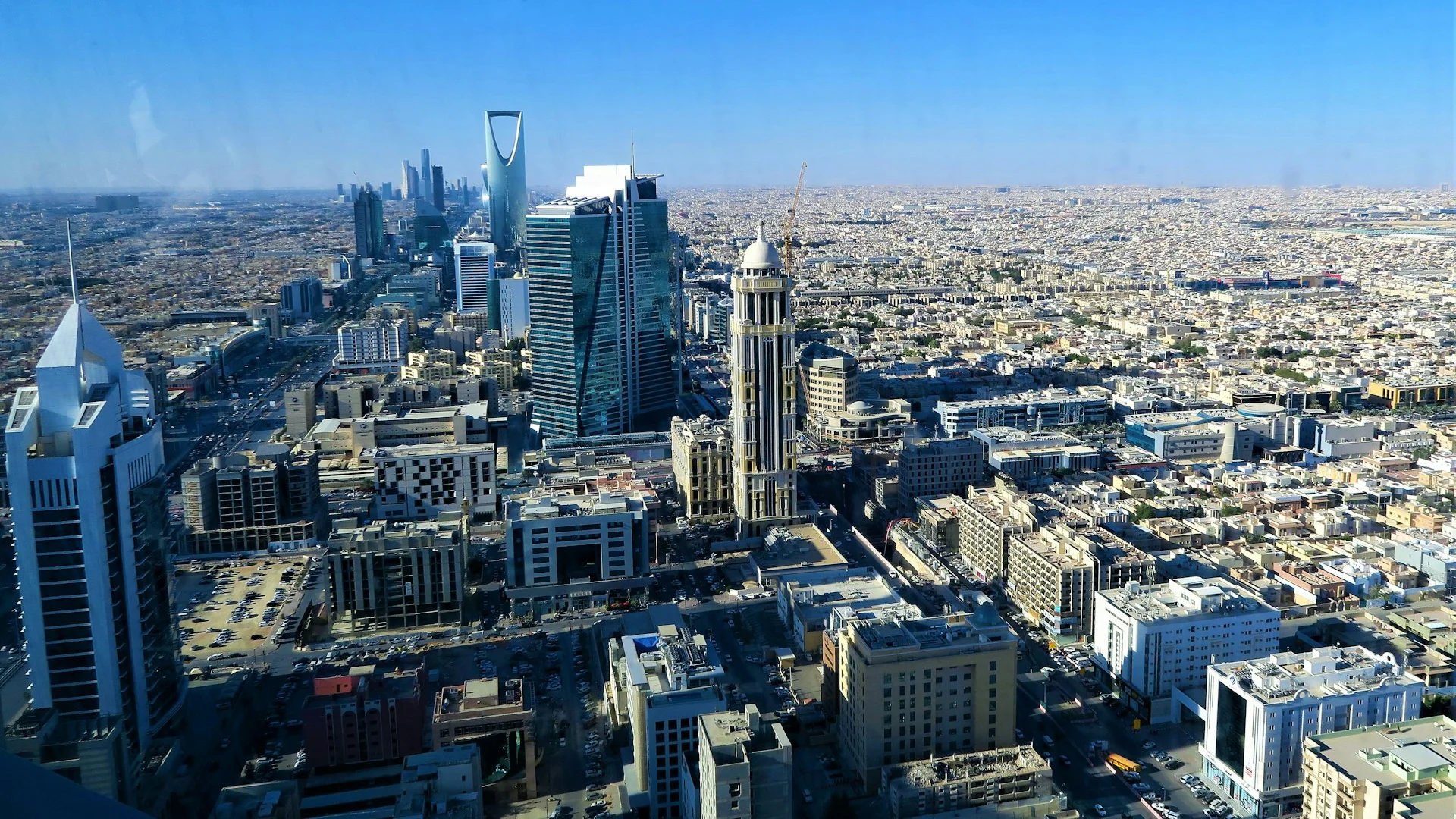
Saudi Arabia's Tourism Boom: New Visa Rules, Mega Projects, and What It Means for Travelers
A Country Reinventing Itself for Tourism
Saudi Arabia has undergone a dramatic transformation over the past few years. What was once a destination primarily for religious pilgrimage (Hajj and Umrah) is now actively positioning itself as a global tourism hub. Vision 2030, the kingdom's ambitious reform plan, has tourism as a central pillar — and the results are becoming visible in 2026.
For GCC residents, Saudi Arabia's tourism boom creates interesting opportunities: new entertainment venues, heritage sites opening to the public, and international events that no longer require leaving the Gulf region.
New Visa Policies Making Entry Easier
Saudi Arabia has significantly simplified its visa process:
- E-visa on arrival: Citizens of 66 countries can now get a tourist visa on arrival or through a simple online application. The e-visa costs 300 SAR (about $80) and is valid for one year with multiple entries.
- GCC residents: All residents of GCC countries (regardless of nationality) can visit Saudi Arabia with just their residency permit — no visa needed.
- Transit visa: Free 96-hour transit visa for passengers connecting through Saudi airports, encouraging stopover tourism.
- Umrah plus tourism: Pilgrims on Umrah visas can now extend their stay and travel to other Saudi cities for tourism, a policy that was not available before.
Mega Projects Opening to Visitors
AlUla
The ancient Nabataean city of Hegra (Saudi Arabia's first UNESCO World Heritage Site) is now fully open to tourists with a modern visitor center, guided tours, and luxury desert resorts. AlUla has positioned itself as the "open-air museum" of Saudi Arabia, with art installations, cultural festivals, and adventure activities alongside the archaeological sites.
NEOM and The Red Sea
While NEOM's full vision (including The Line) is still under construction, the Red Sea coast development is partially open. Luxury island resorts, coral reef diving, and pristine beaches are available for booking. The Red Sea International Airport (RSI) accepts direct flights from Riyadh and Dubai.
Diriyah Gate
The historic birthplace of the Saudi state, located on the outskirts of Riyadh, is being transformed into a cultural and entertainment district. Boutique hotels, traditional restaurants, and museums are already operating, with more phases opening throughout 2026.
Jeddah Waterfront
Jeddah's corniche has been completely redeveloped with the New Jeddah Downtown project. The area features public beaches, marina restaurants, an aquarium, and cultural spaces. The historic Al-Balad district (UNESCO World Heritage Site) has been restored with cafes and artisan shops.
Entertainment and Events
Saudi Arabia's entertainment sector has expanded rapidly:
- Riyadh Season: Annual entertainment festival running October-March with concerts, sports events, theater, and immersive experiences. International artists regularly perform.
- Formula 1: The Saudi Arabian Grand Prix in Jeddah continues as a highlight of the global F1 calendar.
- FIFA Club World Cup: Saudi Arabia hosting the expanded tournament in summer 2026, bringing global football to the kingdom.
- MDL Beast: The region's largest music festival, held annually in Riyadh with international DJs and performers.
Getting There and Getting Around
Saudi Arabia's aviation infrastructure is expanding to match its tourism ambitions:
- New King Salman International Airport (Riyadh): Construction continues on what will be one of the world's largest airports. Current KKIA handles growing traffic with new terminals.
- Saudia expansion: The national carrier is adding routes and frequency to serve tourism demand.
- Budget options: flynas and flyadeal offer affordable domestic and regional flights connecting Saudi cities.
- High-speed rail: The Haramain high-speed train connects Makkah, Jeddah, and Madinah in under 2 hours. A Riyadh-Jeddah line is planned.
Compare flight prices to Saudi cities on tripzle.com.
Practical Tips for Visitors
- Dress code: While restrictions have relaxed, modest dress is still expected in public, especially outside major hotels and entertainment venues.
- Weather: Avoid June-August when temperatures in Riyadh regularly exceed 45°C. Spring (March-May) and autumn (October-November) are ideal. Coastal cities like Jeddah are humid year-round.
- Ramadan: During Ramadan, restaurants are closed during daylight hours and entertainment venues adjust schedules. Plan accordingly or visit during non-Ramadan periods.
- Currency: Saudi Riyal (SAR), pegged to the US dollar. Credit cards accepted widely in cities, but carry cash for markets and smaller towns.
- Language: Arabic is the official language. English is widely understood in major cities, hotels, and tourist areas.
For upcoming Saudi holidays and planning your visit around national celebrations, read our guide to Saudi Arabia's official holidays in 2026.
Read Also
Related Posts
Riyadh Air: Saudi Arabia's New Airline Is Here — Routes, Fleet, Launch Date, and Everything You Need to Know
Saudi Arabia's Riyadh Air launched its first flight in October 2025 and is preparing to open public ticket sales. Here is everything GCC travelers need to know about routes, fleet, loyalty program, and what to expect.
4 Mar
Gulf Airlines Announce New Summer 2026 Routes: What GCC Travelers Need to Know
Emirates, Saudia, Qatar Airways, and Etihad are adding dozens of new routes for summer 2026. Here is what is new and how it affects fares.
5 Mar
Complete Guide to Visa-Free Destinations for GCC Passport Holders
Your complete guide to visa-free and visa-on-arrival countries for Saudi, UAE, and Qatari passport holders — updated for 2026.
27 Feb