
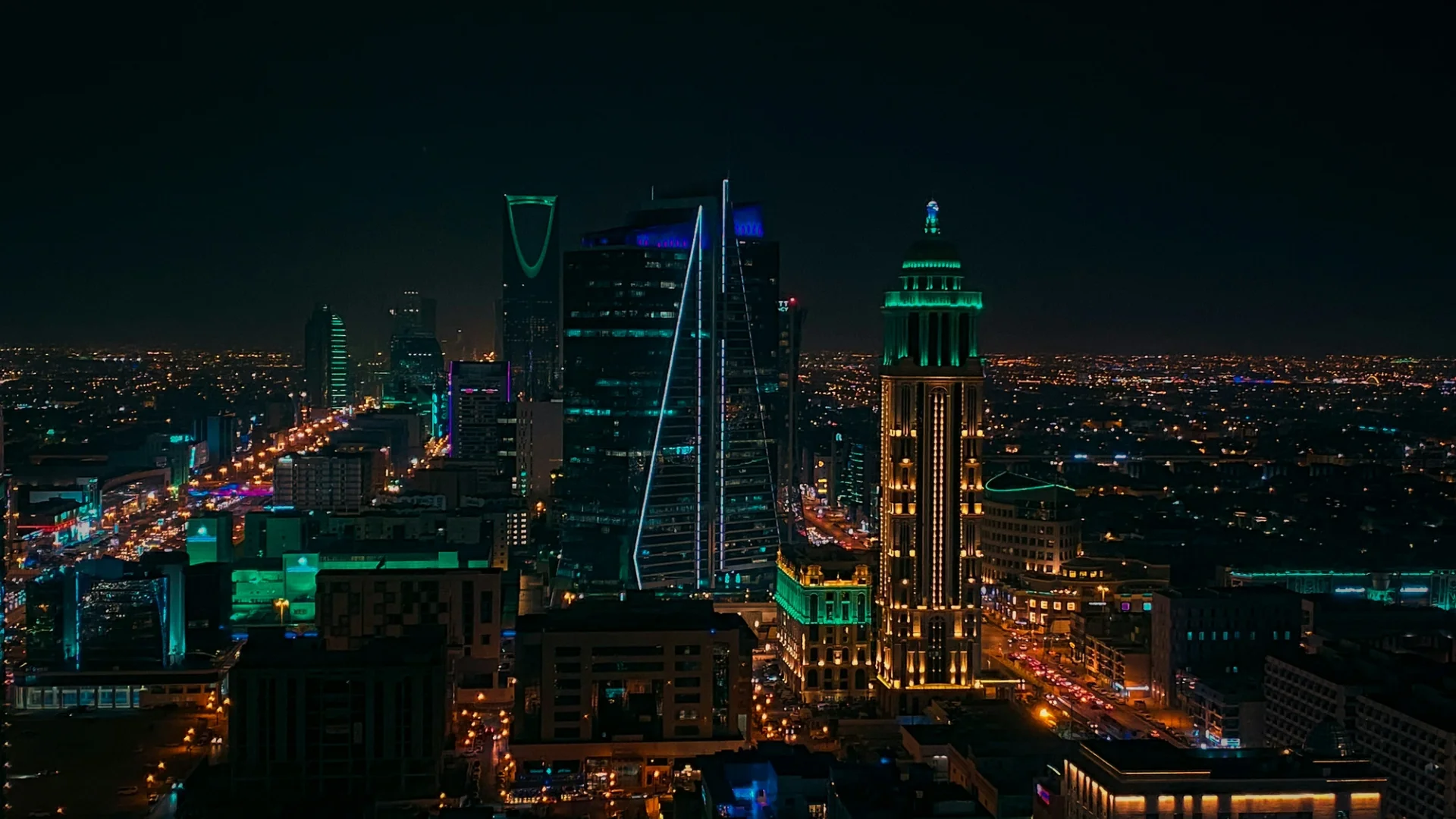
Guide to Saudi Arabia's Official Holidays in 2026
The Kingdom of Saudi Arabia's holiday calendar for 2026 presents a beautiful tapestry of celebrations that honor both the nation's Islamic foundations and its proud national identity. For residents and visitors alike, these holidays offer precious windows into the Kingdom's soul—moments when ancient traditions come alive, families reunite, and the entire nation pauses to reflect on shared values and heritage.
Whether you're planning your travel, coordinating business activities, or simply seeking to understand Saudi culture more deeply, this comprehensive guide will help you navigate the year's most significant occasions. Each holiday carries its own unique spirit and customs, creating a rhythm to Saudi life that connects past and present.
Saudi Founding Day - February 22, 2026
On this day, Saudi Arabia honors a pivotal moment in its history—the establishment of the first Saudi state nearly three centuries ago. In 1727, when Imam Muhammad bin Saud assumed leadership of Diriyah, he laid the cornerstone for what would eventually become the modern Kingdom we know today.
The celebrations transform cities and towns across the Kingdom into vibrant displays of cultural pride. Streets fill with citizens dressed in traditional attire—men in flowing thobes and women in beautifully embroidered garments that showcase regional styles passed down through generations. Cultural festivals spring up in public squares, featuring folk dances, poetry recitations, and exhibitions that bring history to life.
As evening falls, the sky erupts in spectacular fireworks displays, painting the darkness with colors that mirror the joy felt throughout the nation. It's a day when Saudis of all ages connect with their roots and celebrate the enduring legacy of their ancestors.
Saudi Flag Day - March 11, 2026
The green banner bearing the Shahada and crossed swords has flown over Saudi Arabia since 1937, and Flag Day celebrates this powerful symbol of national unity. More than just fabric and color, the flag represents the Kingdom's Islamic identity and the strength of its people united under one vision.
On this day, the flag takes center stage in ceremonies and displays throughout the country. Schools hold special programs teaching young Saudis about the flag's symbolism and significance. Buildings, vehicles, and public spaces are adorned with the national colors, creating a sea of green that reflects the pride citizens feel for their homeland.
Ramadan - Beginning Around February 18, 2026
The ninth month of the Islamic calendar brings a profound transformation to daily life in Saudi Arabia. Ramadan is far more than abstaining from food and drink—it's a complete spiritual journey that reshapes the rhythm of each day and strengthens the bonds of community.
From the first light of dawn until sunset, Muslims engage in sawm (fasting), refraining from eating, drinking, and other physical needs. But the fast nourishes the soul—it's a time for heightened devotion, increased charity, and deep reflection on one's relationship with Allah and fellow human beings.
As dusk approaches, families gather for Iftar, the meal that breaks the fast. The moment when the call to Maghrib prayer echoes across the city is magical—a collective exhale as millions share dates and water, following the Prophet's tradition. Tables overflow with traditional dishes, and homes open their doors to neighbors and those in need.
After Iftar, mosques fill for Taraweeh prayers—special nightly prayers where the Quran is recited in its entirety over the month. The atmosphere in the Two Holy Mosques in Makkah and Madinah during Ramadan is particularly moving, as millions of pilgrims join local worshippers in devotion.
Eid Al-Fitr - Expected Around March 20, 2026
After a month of spiritual discipline, Eid Al-Fitr arrives like a burst of sunshine—a celebration of accomplishment, gratitude, and pure joy. The Festival of Breaking the Fast marks not an end, but a new beginning, as Muslims carry forward the lessons learned during Ramadan.
The day begins with special Eid prayers at mosques and prayer grounds across the Kingdom. Families dress in their finest—often brand new clothes purchased specifically for this occasion. Children's faces light up with excitement, knowing that Eidiya (monetary gifts) from relatives await them, a tradition that adds extra sparkle to the celebration.
Homes become hubs of hospitality as extended families gather for elaborate feasts. Traditional sweets like ma'amoul and kleicha appear on every table, alongside savory dishes that vary by region. The spirit of generosity extends beyond family circles—it's customary to visit neighbors, reconcile any differences, and ensure that everyone, regardless of their circumstances, can participate in the joy.
The holiday typically spans four days for private sector employees, while government workers may enjoy up to ten days of celebration, allowing ample time for travel and family reunions.
Arafat Day - Expected May 26, 2026
In the Islamic calendar, no day carries more spiritual weight than the Day of Arafat. On this day, millions of pilgrims performing Hajj stand on the plain of Arafat, following in the footsteps of Prophet Muhammad during his farewell pilgrimage. It's a day when heaven's gates are said to be wide open, and prayers are answered.
For Muslims not performing Hajj, fasting on Arafat Day is highly recommended—a practice believed to expiate sins from the previous year and the year to come. Throughout Saudi Arabia, those not in Makkah spend the day in prayer, supplication, and reflection, spiritually connected to the pilgrims standing at Mount Arafat.
The atmosphere is one of profound devotion and hope, as Muslims worldwide unite in seeking Allah's mercy and forgiveness.
Eid Al-Adha - Expected May 27, 2026
The Festival of Sacrifice commemorates one of faith's most powerful stories—Prophet Ibrahim's unwavering willingness to sacrifice his beloved son Ismail in obedience to Allah's command. When Allah saw Ibrahim's sincere intention, He provided a ram as a substitute, teaching humanity about submission, trust, and divine mercy.
This profound lesson manifests in the tradition of Qurbani—the ritual sacrifice of an animal, typically a sheep, goat, cow, or camel. The practice follows a meaningful distribution: one-third of the meat goes to the family, one-third to friends and neighbors, and one-third to those in need. This division ensures that even the most vulnerable members of society can enjoy meat and participate in the celebration.
Like Eid Al-Fitr, the day begins with special prayers and continues with family gatherings and feasting. The four-day holiday allows families to share meals, exchange visits, and strengthen community bonds. In Saudi Arabia, where many pilgrims complete their Hajj journey during this time, the celebration carries extra significance as loved ones return home with hearts full of spiritual renewal.
Islamic New Year - Muharram - Expected June 16, 2026
As the Islamic calendar turns to 1448 AH, Muslims welcome the month of Muharram—one of the four sacred months in Islam. Unlike the exuberant celebrations of the Eids, the Islamic New Year is observed with quiet contemplation and spiritual introspection.
It's a time for Muslims to reflect on the year past and set intentions for the year ahead. Mosques see increased attendance as people seek to begin the new year with prayer and renewed commitment to their faith. Many Muslims choose to fast on the tenth day of Muharram, known as Ashura, following the Prophet's tradition and commemorating the day Allah saved Prophet Musa and the Children of Israel from Pharaoh.
The observance is personal and peaceful, marked by increased worship, Quran recitation, and acts of charity—a spiritual reset that aligns the heart with Islamic values as a new year begins.
Saudi National Day - September 23, 2026
Every September 23rd, Saudi Arabia erupts in a spectacular display of national pride, commemorating the day in 1932 when King Abdulaziz unified the Kingdom under the name 'Kingdom of Saudi Arabia.' This milestone marked the culmination of decades of effort to bring together diverse regions into one strong, unified nation.
The entire country transforms into a sea of green and white. Buildings are draped in flags, cars sport national colors, and citizens wear green clothing adorned with patriotic symbols. The celebrations are grand and varied—the Saudi Hawks aerobatic team performs breathtaking air shows, painting the sky with colored smoke trails. Major cities host concerts featuring popular Saudi and Arab artists, while cultural festivals showcase the Kingdom's diverse regional traditions.
Fireworks illuminate the night sky over major landmarks, and public spaces fill with families enjoying festivities that often extend late into the night. It's a day when Saudis of all backgrounds come together to celebrate their shared identity and the remarkable progress their nation has achieved.
Planning Your Year in the Kingdom
Understanding Saudi Arabia's holiday calendar is essential for anyone living in or visiting the Kingdom. These occasions offer more than just days off work—they're invitations to witness and participate in traditions that have shaped Saudi society for generations.
For visitors, timing your trip around these holidays can provide unforgettable cultural experiences. Witnessing the devotion of Ramadan, the joy of Eid celebrations, or the patriotic fervor of National Day offers insights into Saudi culture that go far deeper than any guidebook can provide.
For residents, these holidays punctuate the year with moments of connection—to faith, to heritage, to family, and to the broader Saudi community. They remind us that amid the rapid modernization and development the Kingdom is experiencing, the values and traditions that define Saudi identity remain strong and vibrant.
As you plan your 2026, mark these dates in your calendar. Whether you're coordinating business travel, planning family visits, or simply seeking to understand your adopted home more deeply, these holidays offer windows into the heart of Saudi Arabia—a nation proud of its past, confident in its present, and optimistic about its future.
Read Also
Related Posts
Eid Al-Fitr 2026 Travel Guide: Best Destinations and Booking Tips for GCC Travelers
Eid Al-Fitr 2026 is approaching. Here are the best destinations, flight booking strategies, and practical tips for GCC travelers planning their holiday getaway.
18 Feb
Eid Al-Adha 2026: Where to Go and How to Book Smart from the GCC
Plan your Eid Al-Adha 2026 getaway early. Destinations, booking strategies, and tips to avoid peak pricing from Saudi Arabia, UAE, and Qatar.
1 Mar
When to Book Flights from Riyadh, Dubai & Doha for the Best Prices
Data-driven guide to the best booking windows, seasonal trends, and price tracking strategies for flights from GCC airports.
24 Feb